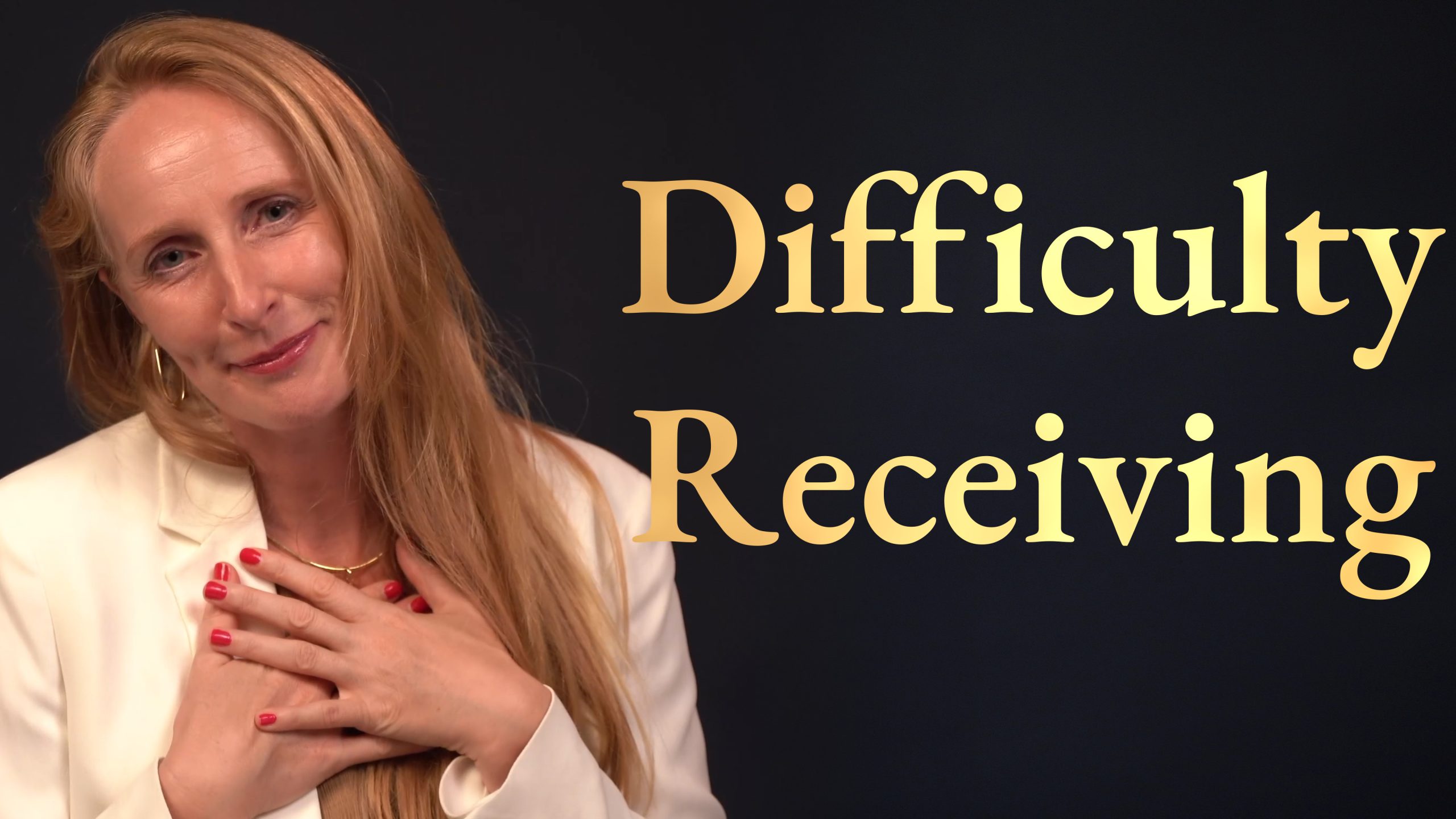
Emotional Labor
You are here:
Why regulating emotion in intimacy reshapes the nervous system
What Emotional Labor Actually Is
Why Emotional Labor Is Especially Demanding in Professionalized Intimacy
How the Nervous System Adapts to Repeated Emotional Regulation
Why Emotional Efficiency Often Feels Like Distance
- “I feel fine — but quieter.”
- “I’m present — but less moved.”
- “I function — but don’t feel as much.”
How Emotional Labor Extends Beyond the Work
The nervous system does not separate contexts. What is practiced repeatedly becomes automatic across daily life. Over time, regulation patterns developed for professional intimacy begin shaping:
• Personal relationships
• Intimacy outside work
• Everyday emotional responses
• Stress regulation
This is why changes often appear beyond sessions. Not because emotional labor is harmful.
But because the body learns what it repeatedly performs.
Emotional Labor Is Not Weakness
Women skilled in emotional labor are often highly perceptive, emotionally intelligent, and attuned to subtle relational cues. They sense shifts in mood, read micro-signals, and adapt with ease. These are genuine strengths. However, when these capacities become repeated forms of labor within asymmetrical intimacy, they place sustained regulatory demands on the nervous system. This is not pathology. It is adaptation.
Why Understanding This Matters
When emotional shifts emerge over time, many women turn confusion inward. They assume something is wrong. That they became colder. That sensitivity was lost. That something broke. Others notice growing emotional distance, irritation, or aversion toward intimacy and men. Within the Psychology for Escorts framework, these experiences are understood as efficient nervous system regulation — not personal failure. Understanding mechanism replaces self-doubt with clarity.
Emotional labor is not the problem.
Unconscious adaptation is.
Working With These Patterns Clinically
For women who wish to work with regulation patterns shaped by repeated emotional labor, clinical support focuses on restoring flexibility rather than removing protection. Automatic responses can gradually soften as safety and differentiation are reintroduced. Clinical work is offered through Psychologist for Escorts